A Managed DNS and Failover strategy helps enterprises optimize their Cloud-First roadmap, ensuring continuous, secure, and stable connectivity.
In the modern digital infrastructure landscape, the "Cloud-First" strategy has become the North Star for many large enterprises and multinational corporations (MNCs). However, moving entire core workloads to the Cloud is not a "one-click" process. It is a journey fraught with technical risks, where even a small disruption can stall the business.
Many IT Managers focus heavily on Cloud migration tools or data synchronization but overlook a critical element: the Domain Name System (DNS).
If the Cloud is the destination, DNS is the "navigation system" that leads users there. A legacy DNS system will become a bottleneck, hindering the flexibility and scalability that the Cloud promises. This article analyzes why a Managed DNS strategy is a vital stepping stone for every enterprise on its path to the Cloud.
Why Traditional DNS is a "Bottleneck" in the Cloud Roadmap?
For many years, enterprises often used "free" DNS services provided by domain registrars or managed their own DNS servers (On-premises). While sufficient for fixed environments, these models reveal serious weaknesses when transitioning to the Cloud:
Slow Record Update Speeds
Cloud environments change constantly (Auto-scaling, changing IP addresses). Traditional DNS often has high TTL (Time to Live) and slow propagation speeds across the global Internet. This means that when you move a service to the Cloud or change an IP, it can take hours for users to access the new address, causing significant service downtime.
Lack of Health Monitoring Capabilities
Traditional DNS is "blind" to the actual state of the server. It continues to direct traffic to an IP address even if that server has crashed or the Cloud Region is experiencing an incident. This forces IT teams to perform manual updates, which is slow and prone to errors.
Limited DDoS Attack Defense
DNS is often the first target of DDoS attacks. Legacy systems lack the massive bandwidth and specialized filtering layers required to withstand modern, high-intensity attacks. A downed DNS system means the entire Cloud infrastructure - no matter how powerful - becomes inaccessible.
Inflexibility in Traffic Orchestration
Cloud-First strategies often involve Hybrid Cloud or Multi-Cloud models. Traditional DNS cannot intelligently direct users to the nearest Cloud node or distribute load based on server performance, leading to high latency and a poor user experience.
The Core Role of Managed DNS in a Cloud-First Strategy
Managed DNS is a specialized service provided by professional partners, designed to overcome the limitations of traditional DNS through a global infrastructure and intelligent automation.
Ensuring High Availability via Anycast Network
Instead of relying on a single server, Managed DNS utilizes an Anycast Network.
Mechanism: A single IP address for the DNS server is announced from dozens or hundreds of global locations.
Benefit: When a user queries a domain, the request automatically goes to the geographically closest node. If one node fails, traffic automatically reroutes to another, ensuring 100% uptime for the "navigation system."
Intelligent Traffic Management
Managed DNS allows IT Managers to establish sophisticated routing policies:
Geo‑routing (Geographic Routing): The system automatically prioritizes returning the nearest endpoint based on the estimated location of the DNS query. For example, queries from the Southern region typically route to Data Centers/Cloud Regions in Ho Chi Minh City, while queries from the North prioritize Hanoi or neighboring Regions to reduce latency. This mechanism relies on the resolver's location or EDNS0‑Client‑Subnet information; therefore, in some cases, the identified location may not accurately reflect the end user's actual physical location.
Weighted Round Robin: This allows enterprises to orchestrate 10% of traffic to the Cloud for testing while 90% remains on-premises, ensuring a safe and controlled Migration process.
Note: DNS-based distribution is approximate and influenced by caching and resolver behavior. If you require precise ratios or session affinity, consider combining this with L7/L4 load balancers such as Azure Front Door, Application Gateway, etc.
Health Check Capabilities
This represents the most significant difference compared to traditional DNS. Managed DNS continuously monitors the status of Endpoints (Server IPs, Load Balancers):
Real-time Monitoring: The system "probes" servers via HTTP, HTTPS, or TCP protocols in cycles of a few seconds.
Automatic Removal of Faulty Points: Immediately upon detecting that a Cloud or On-premises server is unresponsive, Managed DNS removes that IP address from the resolution records, preventing users from accessing a failing system.
Enhancing Edge Security
Modern Managed DNS integrates specialized protection layers:
DNSSEC: Protects against DNS Spoofing and Cache Poisoning. DNSSEC does not encrypt data and is not a DDoS mitigation measure; it creates a "chain of trust" to authenticate records, complementing TLS/HTTPS.
DDoS Mitigation: Provides the capability to absorb massive Volumetric DDoS attacks targeting the domain name system, ensuring that the enterprise's critical infrastructure does not become paralyzed.
Failover Mechanism: The "Armor" Protecting the Migration Journey
During the transition to the Cloud, the greatest risk involves the new system not being fully compatible or the old system encountering unexpected incidents during the Cut-over phase. DNS Failover serves as the "safety net" that helps enterprises maintain a 24/7 online presence.
Operational Principles of DNS Failover
This mechanism operates based on the combination of Health Checks and Automated Routing:
Continuous Monitoring: The Managed DNS system sends check queries to Cloud and On-premises servers in cycles (e.g., every 10-30 seconds).
Incident Detection: If the primary server does not respond or returns an error code (e.g., HTTP 5xx), the system confirms a "Down" status.
Triggering Failover: The system immediately updates DNS records to direct user traffic to a pre-configured backup server.
Real-world Applications in Cloud Migration
The Failover mechanism instills confidence in IT teams through specific scenarios:
Maintaining Connectivity during the Cut-over Phase: When switching records from On-premises to the Cloud, if the Cloud system encounters an unexpected configuration error, Failover automatically reverts traffic to the physical servers within seconds.
Supporting Hybrid Cloud Strategies: Enterprises can establish parallel running systems. If one of the two environments (Cloud or Local) experiences fiber optic or infrastructure issues, the other environment immediately assumes the entire traffic load.
Minimizing RTO (Recovery Time Objective): Instead of requiring manual intervention by editing DNS records and waiting for updates (which can take hours), Failover handles everything automatically, reducing recovery time to near zero.
The Difference Between Traditional Failover and Managed Failover
Feature
Manual Failover
Managed DNS Failover
Incident Detection
Relies on alarms and human inspection.
Automated 24/7 monitoring.
Response Time
From tens of minutes to several hours.
RTO can drop to tens of seconds or minutes, depending on TTL and resolver cache behavior.
Accuracy
High risk of errors during urgent manual operations.
Precise, following pre-programmed scenarios.
User Impact
Noticeable access disruption.
Users almost never notice the transition.
Long-term Benefits for Enterprises
Investing in a Managed DNS and Failover strategy is not merely a temporary solution during the Migration phase; it delivers sustainable value for an enterprise's long-term IT management system.
Optimizing Customer Experience and Brand Reputation
In the digital era, a few minutes of Downtime can lead to heavy losses in revenue and customer trust. Managed DNS ensures that enterprise services remain highly available with the fastest access speeds through intelligent routing. This stability helps maintain a professional brand image in the eyes of partners and customers.
Relieving Pressure on IT Operations Teams
Instead of managing and maintaining complex physical DNS server clusters, IT teams can focus on more strategic projects. All configuration, monitoring, and troubleshooting tasks occur via a centralized management interface (intuitive Dashboard), minimizing human errors.
Economic Efficiency and Scalability
Managed DNS operates under the SaaS model, helping enterprises:
Cost Transformation: Shift from large initial investment (CapEx) to flexible operational expenditure (OpEx).
Instant Expansion: When an enterprise scales to international markets or adds new Cloud Regions, the Managed DNS system automatically adapts without requiring infrastructure restructuring.
A Safe Cloud-First Journey with NetNam’s IT Services Ecosystem
Managed DNS and Failover strategies serve as the indispensable "stepping stone" to help enterprises mitigate potential risks as they move toward a Cloud-First model. By ensuring high availability, flexible traffic orchestration, and automated recovery mechanisms, enterprises can confidently migrate infrastructure without fearing service disruptions.
With over 30 years of experience in telecommunications and network solutions, NetNam proudly stands as a specialized Managed Service Provider (MSP), partnering with multinational corporations and medium-to-large organizations in Vietnam. We provide more than just connection infrastructure; we offer a comprehensive IT services ecosystem:
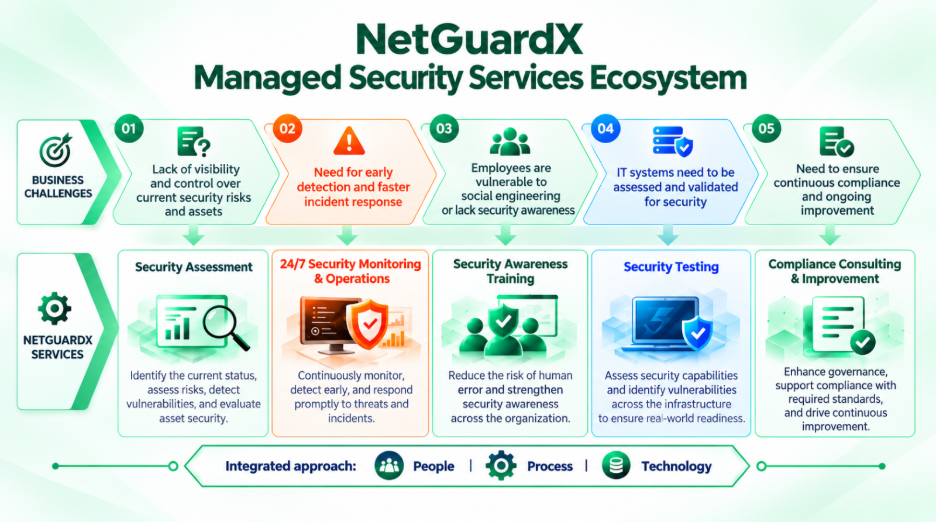
Managed Infrastructure: 24/7 monitoring, operation, and optimization of IT systems, ensuring the highest availability for the Cloud roadmap.
Managed Security: Protecting DNS infrastructure and critical systems against cyber threats throughout the migration process.
Let NetNam’s experts help your enterprise build a Cloud-First roadmap that is secure, stable, and cost-effective.


/Blog%20Post/ri_linkedin-fill-white.svg)
/Blog%20Post/prime_twitter-white.svg)










/Blog%20Post/ri_facebook-fill-white.svg)

